Is a Heat Pump System the Right Choice for Your Home?
If you’re thinking about replacing your heating system, you’ve probably heard a lot about heat pumps. But are they really the right choice for your home?
The answer depends on how your home is powered.
Most homes use either:
- Electricity only
- Electricity plus natural gas or propane
If your home is heated with electricity, a heat pump is often the most energy-efficient and affordable way to keep your home comfortable all year long. Even better, a heat pump also provides air conditioning during the summer, so one system handles both heating and cooling.
How Does a Heat Pump Work?
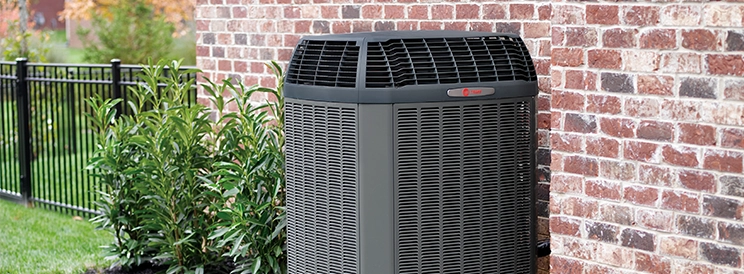
Unlike a furnace that creates heat by burning fuel or using electric heating elements, a heat pump simply moves heat from one place to another.
Even when it’s cold outside, there’s still heat in the outdoor air. A heat pump captures that heat, moves it indoors through a refrigeration process, and distributes it throughout your home using ductwork or a ductless mini-split system.
Because it’s transferring heat instead of creating it, a heat pump uses much less electricity than electric furnaces or baseboard heaters.
Why Are Heat Pumps So Efficient?
Heat pumps are one of the most energy-efficient heating systems available today.
Their efficiency is measured using two ratings:
- HSPF2 (Heating Seasonal Performance Factor 2) – Measures how efficiently the system heats your home over an entire heating season.
- COP (Coefficient of Performance) – Measures how much heat the system produces compared to the electricity it uses.
For example, a heat pump with a COP of 2.5 produces about $2.50 worth of heat for every $1.00 of electricity it uses. The higher the COP, the greater your energy savings.
Do Heat Pumps Work When It’s Really Cold?
This is one of the biggest questions homeowners ask.
Older heat pumps struggled during very cold weather, but today’s Cold Climate Heat Pumps are built very differently.
Many modern systems can:
- Maintain excellent efficiency even when temperatures drop into the single digits.
- Deliver full heating capacity at temperatures as low as -5°F.
- Continue operating in temperatures down to approximately -22°F, depending on the brand and model.
Because they continue producing heat efficiently, they don’t have to rely as much on expensive backup electric heat, helping keep your utility bills lower.
How Much Can You Save?
Here’s an example of what it costs to produce 100,000 BTUs of heat, assuming electricity costs 15–17 cents per kWh.
| Heating System | Estimated Cost |
|---|---|
| Heat Pump (COP 3.0) | $1.45–$1.65 |
| Heat Pump (COP 2.5) | $1.75–$2.00 |
| Electric Furnace or Baseboard Heat | $4.40–$5.00 |
As you can see, a heat pump can cost less than half as much to operate as traditional electric heating.
Over time, those savings can really add up.
Is a Heat Pump Right for Your Home?
If your home currently uses electric heat, switching to a heat pump is one of the best investments you can make.
Benefits include:
- Lower monthly energy bills
- Heating and air conditioning in one system
- Greater year-round comfort
- Better energy efficiency
- Reduced energy use
- Increased home value
Many homeowners also qualify for utility, state, or local rebates that can help reduce the cost of installing a new heat pump.
The Importance of Professional Installation
Even the best heat pump won’t perform properly if it isn’t correctly sized or installed.
An experienced HVAC contractor will evaluate your home’s heating needs, recommend the right equipment, and make sure your new system operates at peak efficiency. They can also help you find available rebates and incentives that may lower your upfront investment.
Ready to Learn More?
If you’re wondering whether a heat pump is the right choice for your home, we’re here to help.
Our team can evaluate your current heating system, answer your questions, and recommend the best solution for your comfort, efficiency, and budget.
Contact us today for a free consultation and discover how much you could save with a new high-efficiency heat pump.